Source Laser Hair Growth Machine for Salon, Home, and Clinic
Explore 30 listings for the laser hair growth machine, featuring options with LCD displays, 650nm diode lasers, and E-light technology. Compare specifications from brands like AMENG and Allfond to find suitable devices for salon and home use; compare the available evidence and request quotations based on your requirements.
Key considerations
Products List




Comprehensive Sourcing Guide
Laser Hair Growth Machine Sourcing Guide
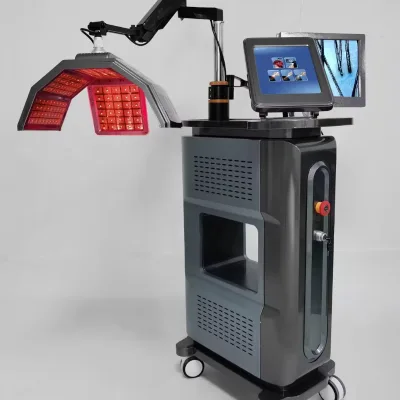
Procurement professionals must first distinguish between handheld comb-style devices and larger salon-grade units when sourcing laser hair growth machines. The market presents a mix of products, including specific models like the Lyd-Jx-199 which utilize a 650nm diode laser theory, alongside broader E-Light systems designed for multi-functional beauty equipment applications. Buyers should carefully review product titles and descriptions to ensure the technology matches their intended use case, as some listings explicitly mention "Laser Therapy" while others reference "E-Light" or "Vibration Massage" features.
Understanding the physical form factor is critical for inventory planning and customer satisfaction. Observed listings indicate a divergence in portability, with some units described as non-portable salon machines requiring AC power supplies, while others are marketed as portable combs with specific plug types like US standards. This distinction directly impacts shipping logistics and the target demographic, as home-use devices often require different voltage tolerances compared to heavy-duty commercial equipment intended for professional salon environments.
Product Scope and Observed Listing Signals
Buyers should analyze the observed price range of 269 to 3500 USD to understand the tiered nature of the available inventory. This significant spread suggests a market segmented by power output, feature complexity, and build quality, ranging from basic plastic combs to high-end multi-functional beauty machines. The presence of varying specifications, such as different energy outputs like 8 J/Cm2 or power ratings of 350W, indicates that price alone is not a reliable indicator of efficacy without verifying the specific technical parameters of the unit.
The product scope also encompasses diverse branding and packaging standards that influence perceived value and logistics costs. While some suppliers offer single-item selling units in standard carton packages, others utilize wooden boxes for premium presentation, which may affect shipping weight and damage risk. Additionally, the availability of customization options allows buyers to tailor products for specific markets, but this requires clear communication regarding branding requirements and minimum order quantities, which typically range from one to two units in the observed data.
Technical Specifications to Verify
Verification of the laser wavelength is the primary technical requirement for efficacy in hair growth applications. The supplied data consistently highlights a 650nm wavelength for diode laser products, which is a standard parameter for stimulating hair follicles, whereas other listings may reference E-Light technology with different operational frequencies. Buyers must confirm that the specific model they intend to purchase explicitly states this wavelength, as devices lacking this specification may not deliver the intended therapeutic results for hair regrowth and restoration.
Electrical and dimensional specifications must also be rigorously checked to ensure compatibility with the target market's infrastructure. Listings show voltage ranges spanning 100V-120V and 220V-240V, alongside varying physical dimensions such as 251219152mm or 1106070cm. Procurement teams should validate that the plug type and voltage input match the destination country's standards to prevent equipment failure, and they must assess whether the device's size and weight align with the intended application, whether it is a compact home tool or a substantial salon station.
Compliance and Safety Documentation
Safety certification is a non-negotiable element when sourcing medical-adjacent beauty equipment, and buyers must demand proof of relevant approvals. The observed product data includes references to CE certification and ISOGroup:Adult standards, which are essential for demonstrating compliance with international safety regulations. However, the presence of these certifications in a listing does not guarantee that every unit in a batch is certified; therefore, buyers should request valid test reports and certificates of conformity before finalizing any purchase agreement.
Beyond general safety, specific documentation regarding the device's operational parameters and material safety is required for liability protection. Products are constructed from materials like plastic, and some feature LED indicators with red light emission, necessitating verification that these components meet electrical safety standards. Buyers should ensure that the supplier provides detailed user manuals and safety warnings that align with the stated application areas, such as salon or home use, to mitigate risks associated with improper operation or misuse by end consumers.
Cost Drivers and Commercial Terms
The total cost of ownership is influenced by several factors beyond the unit price, including packaging type and origin location. Products originating from China, specifically Guangzhou and Guangdong, often benefit from established supply chains, but the choice between carton and wooden box packaging can significantly alter freight costs and insurance premiums. Buyers should calculate the landed cost by factoring in these packaging differences, as heavier or bulkier packaging may increase shipping expenses and reduce profit margins on lower-priced items.
Commercial terms regarding minimum order quantities and customization capabilities also play a pivotal role in budgeting and inventory strategy. While observed MOQs are low, ranging from one to two units, the availability of customization services may introduce additional costs or longer lead times for branding and packaging modifications. Procurement teams must negotiate clear terms regarding these value-added services, ensuring that the cost of customization is transparent and that the supplier can meet the required delivery schedules without compromising the quality of the final product.
Supplier Qualification and Quality Control
Supplier qualification requires a thorough assessment of their manufacturing capabilities and quality control processes, particularly given the diversity of product types in the market. Buyers should verify that the supplier has experience producing both simple laser combs and complex multi-functional beauty machines, as the engineering requirements for these distinct categories vary significantly. Requesting samples of different product lines can help assess the consistency of build quality, material finish, and the accuracy of technical specifications like power output and wavelength stability.
Quality control protocols must be established to ensure that the delivered goods match the agreed-upon specifications and safety standards. Since product attributes such as color, material, and features like vibration massage can vary between batches, buyers should implement a rigorous inspection process that includes visual checks and functional testing. It is essential to define clear acceptance criteria for defects and to require pre-shipment inspection reports that confirm the product meets the stated standards, such as the specific dimensions and energy output observed in the initial product listings.
Long-Term Procurement Checks
Sustainable procurement relationships depend on the supplier's ability to maintain consistent quality and support over time. Buyers should establish clear communication channels for after-sales support, including warranty terms and the availability of replacement parts for electronic components like LEDs or power supplies. Given the technical nature of laser and E-Light devices, having a reliable support structure is crucial for resolving issues that may arise during the product's lifecycle and for maintaining customer trust in the brand.
Market dynamics and regulatory changes also necessitate ongoing monitoring of the supplier's compliance status and product evolution. As regulations regarding medical devices and beauty equipment evolve, suppliers must adapt their products to remain compliant with new standards in target markets. Procurement teams should schedule regular reviews of the supplier's certification status and product updates to ensure that the inventory remains relevant and safe, thereby protecting the buyer from potential legal liabilities and ensuring the long-term viability of the product line.
FAQs
What certifications do laser hair growth machines have?
These devices typically hold CE and ISOGroup:Adult certifications to ensure safety and compliance. Buyers should verify specific documentation for their region. The equipment is designed for professional and home use, meeting standard regulatory requirements for beauty and hair restoration tools.
How does the wavelength affect hair regrowth?
The machine uses a 650nm diode laser wavelength to stimulate hair follicles effectively. This specific red light energy promotes blood circulation and cellular activity in the scalp. It is a standard parameter for non-invasive hair restoration treatments in both salon and home settings.
Can I customize the laser hair growth comb?
Yes, customization is available for these laser therapy devices. Buyers can request specific branding, packaging, or functional adjustments to meet their market needs. This flexibility allows businesses to tailor the product for unique salon or retail requirements while maintaining core performance standards.
What is the typical packaging for these units?
Products are shipped in either carton packages or wooden boxes depending on the model. The standard dimensions vary, with some units measuring around 251*219*152mm. Proper packaging ensures safe transit from Guangdong, China, protecting the plastic and electronic components during international shipping.
What voltage options are supported by the device?
The machine supports dual voltage inputs of 100V-120V and 220V-240V. This feature allows global compatibility for both US and international markets. The power consumption is approximately 350W, ensuring efficient operation for salon equipment or home hair loss treatment routines.